I Don’t Get Paid to Open Doors
How the right buyer’s agent helps you look beyond the finishes and decide whether a home is worth pursuing
Written by Kevin Maury
Real Estate Agent and Former Professional Home Inspector
Opening the front door is the easy part.
The real work begins once we step inside.
When you tour a home, you are not simply deciding whether you like the kitchen, flooring, or size of the bedrooms. You are also trying to understand how the property has been maintained, what may need attention, what cannot easily be changed, and whether the home truly fits your plans.
That is where an experienced buyer’s agent should add value.
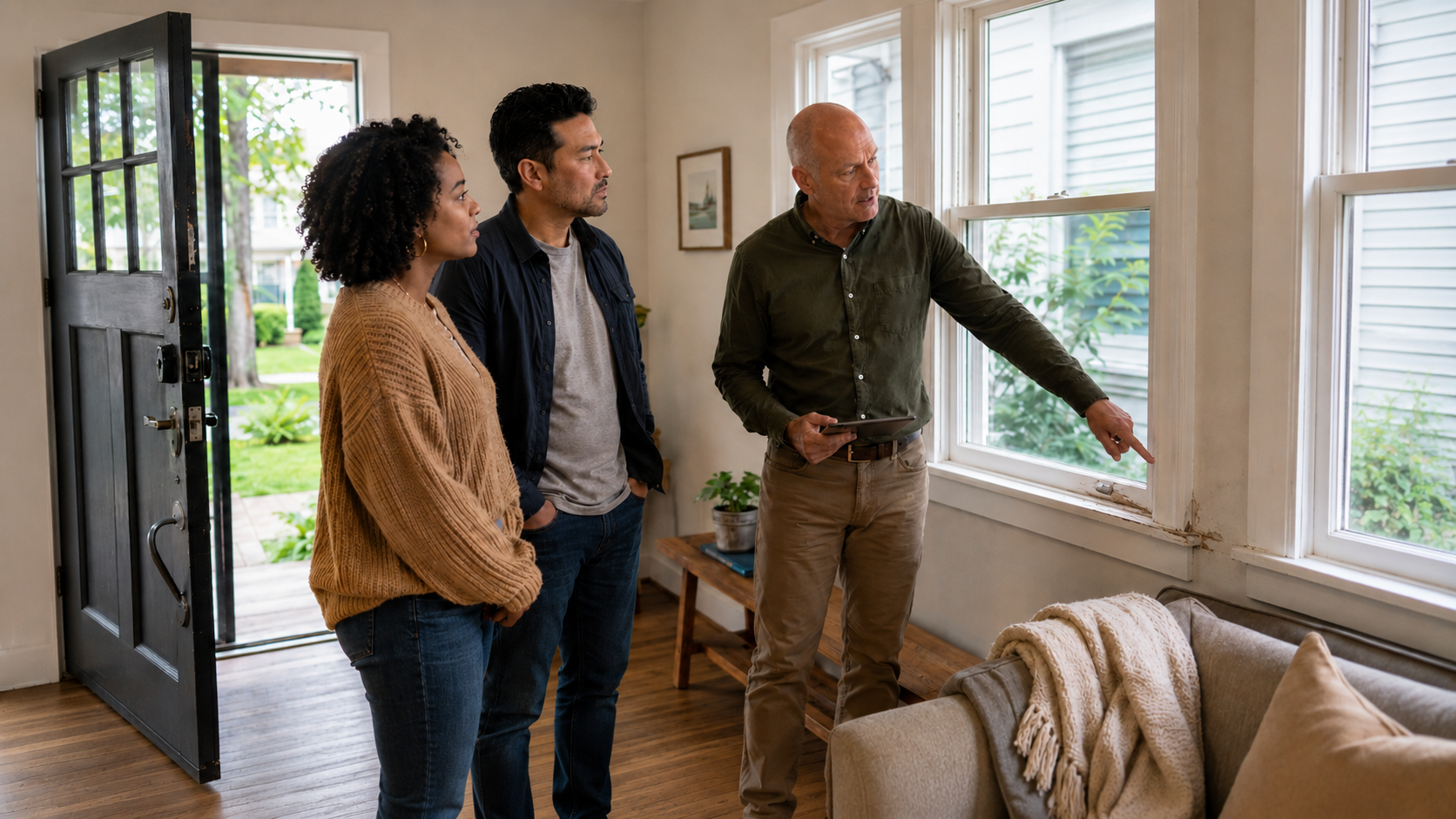
As a real estate agent and former home inspector, I help buyers look beyond the surface, notice details that deserve attention, and understand what they may mean for the purchase.
My role is to help you ask better questions and decide whether the home is worth pursuing.
Start With What You Cannot Easily Change
Paint can be changed. Flooring can be replaced. Cabinets and fixtures can be updated.
The location, lot, traffic, noise, and basic layout of the home are much harder to change.
Before becoming distracted by finishes, we consider whether the home works for the way you actually live. Does the location support your daily routine? Does the lot provide the space or privacy you want? Does the floor plan make sense? Is there enough storage? Would any changes you need be practical?
A beautifully updated home can still be the wrong home if the location or design does not support your life.
The finishes may capture your attention first, but the things that cannot easily be changed often have the greatest effect on whether you will be happy there.
Look Beyond the Finishes
Listing photographs and staging are designed to show a home at its best. That is not necessarily a problem, but an attractive presentation can make it easy to overlook the property itself.
During a tour, I pay attention to visible signs of maintenance and condition. That may include staining, unusual odors, sticking doors or windows, damaged trim, uneven flooring, loose fixtures, unusual repairs, drainage concerns, or areas that appear recently patched.
None of those observations automatically means there is a serious problem.
A stain may be old. A crack may be minor. A sticking door may have a simple explanation.
The purpose is not to diagnose the home during the showing. It is to recognize when something deserves a question or closer evaluation.
I also look for patterns. One loose handle or worn fixture may not mean much. Several maintenance concerns throughout the property may tell us more about the overall level of care the home has received.
That does not necessarily mean you should walk away. It may mean we need more information, should consider likely repair costs, or need to account for the condition when preparing the offer.
Understand What It Means for the Purchase
Recognizing a concern is only one part of the job.
We also need to understand what it may mean for your budget, the offer, the inspection strategy, and your plans for the home.
Some repairs are simple and inexpensive. Others may require a specialized contractor, significant money, or major disruption. An older system does not automatically make a home a poor purchase, just as a newer system does not guarantee that everything was installed correctly.
When we notice something, I help you consider:
whether it appears cosmetic or may affect safety or function
whether it is isolated or part of a larger pattern
whether it may need attention soon
how it could affect your budget after closing
whether it should influence the offer or inspection strategy
whether the home still makes sense after accounting for it
This is where my real estate experience matters just as much as my inspection background.
It is not enough to point at something and say, “That could be a problem.” My job is to help you understand how much weight it should carry in the larger decision.
A Showing Is Not a Home Inspection
Even a careful walkthrough is not a substitute for a professional home inspection.
During a showing, time and access are limited. We are not operating every component, entering inaccessible areas, or performing a full technical evaluation.
The showing helps us decide whether the home is worth pursuing. The inspection gives us a more detailed understanding after you are under contract.
I strongly recommend that buyers have a professional home inspection, and I attend every inspection. My former home-inspector background helps me follow the findings, ask informed questions, and understand the practical impact of a repair.
Then, as your real estate agent, I help you decide what those findings mean for the negotiations, your budget, and whether moving forward still makes sense.
I Don’t Get Paid to Open Doors
I help you look beyond what is obvious, recognize what deserves attention, and decide whether a home is right for you.
That means helping you evaluate the property, prepare the offer, navigate the inspection and negotiations, protect important deadlines, and keep the transaction moving toward closing.
Sometimes that means pointing out something you did not notice. Sometimes it means explaining why a concern may be manageable. Sometimes it means advising you to keep looking.
The goal is not to find a home without a single imperfection. It is to understand what you are buying and decide whether the location, condition, cost, and tradeoffs work for you.
My job is not to sell you a house. It is to help you make a well-informed decision about the right one.
When you are ready to start looking, let’s build a plan and tour homes with a clear understanding of what matters to you. I will help you evaluate more than what appears in the photographs and guide you from the first showing through closing.